
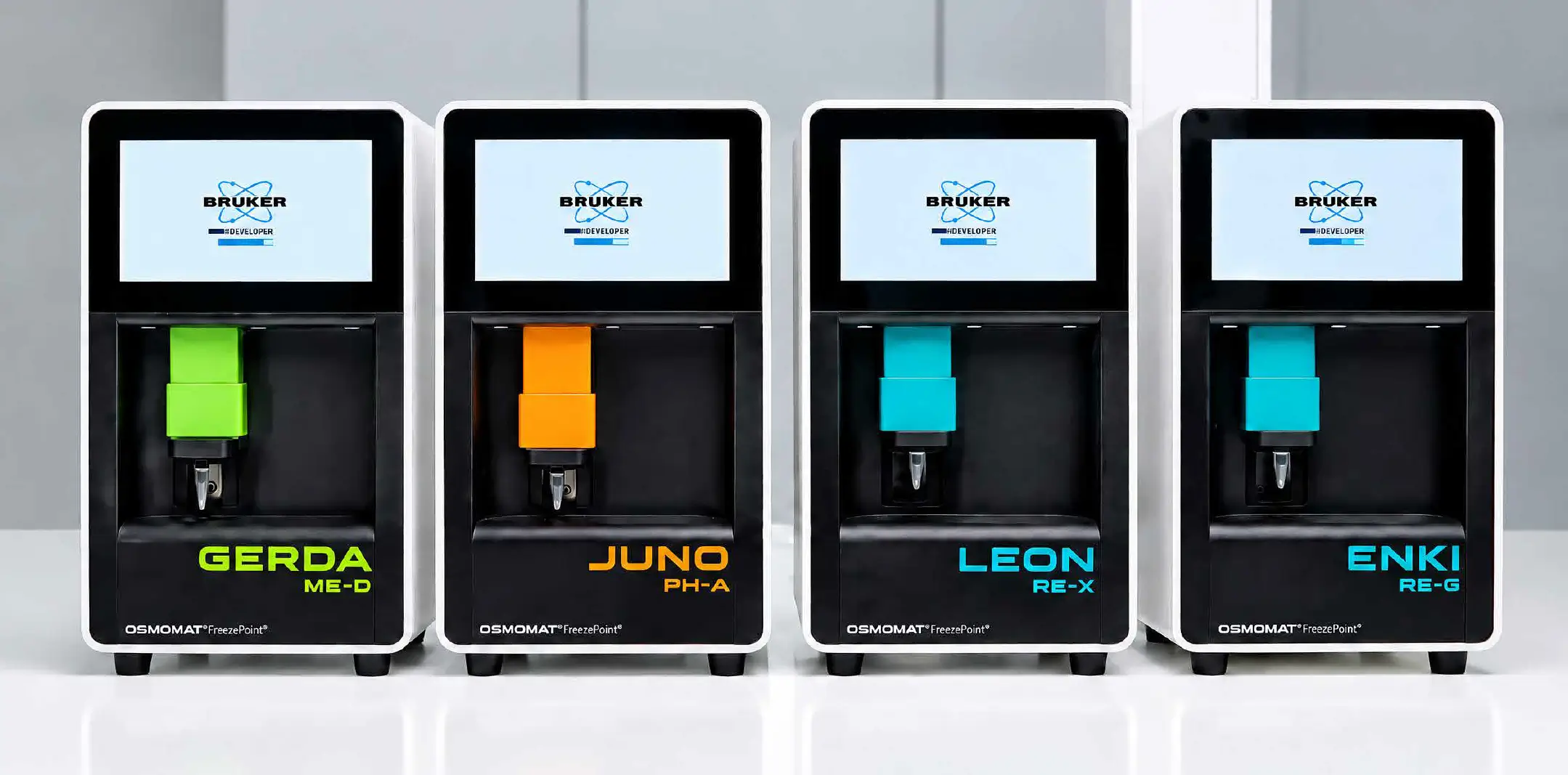
Precision You Trust. Speed You Need.
Discover the Next Generation of OSMOMAT® FreezePoint®
One technology platform. Four solutions for different laboratory needs.
The upcoming OSMOMAT® FreezePoint® Series is being developed to combine established freezing point osmometry with a modern hardware and software platform designed for today's laboratory workflows.
Four application-specific configurations are being developed for the distinct requirements of medical, pharmaceutical, research and industrial laboratories. GERDA, JUNO, LEON, and ENKI share a common technology platform while offering functionality tailored to their respective application areas.
Benefits of the Next-Generation OSMOMAT® FreezePoint® Series
| Established Measurement Principle | The series is based on freezing point osmometry, a well-established analytical method for determining the osmolality of aqueous solution. |
|---|---|
| Flexible Sample Volumes | The common platform supports both 50 µl and 15 µl sample configurations through interchangeable thermistor probes, depending on the model and application. |
| Fast Measurement Workflow | Engineered to deliver highly accurate measurement cycles of approximately 60 seconds to support efficient laboratory workflows. |
| Intuitive Daily Operation | A modern color touchscreen and redesigned user interface for simplify routine operation in different laboratory environments. |
| Flexible Calibration | Depending on the model and application, the series is being developed with configurable calibration using up to five calibration points. |
| Simplified Cleaning and Maintenance | User-oriented cleaning procedures and a robust platform concept are intended to reduce hands-on effort and support instrument availability. |
| Application-Specific Software | Dedicated configurations are being developed around the requirements of clinical, pharmaceutical, research and industrial laboratories. |
OSMOMAT® FreezePoint® GERDA
Designed for the Connected Clinical Laboratory
GERDA is being developed for medical and clinical laboratories where turnaround time, low sample volume, reliable sample identification and integration into digital workflows are particularly important. The system is intended to support routine osmolality measurements in hospital laboratories and specialized clinical environments, including pediatric and nephrology applications.
Difference
A clinical workflow designed around the sample. GERDA is being engineered to connect freezing point measurement with modern clinical laboratory workflows and optimized strictly for medical/IVD routine analysis up to 3,000 mOsmol/kg. Barcode-supported sample identification and LIS connectivity to optimize laboratory Turnaround Time (TAT), reduce manual data transfer and improve result traceability.
Features
| Optimized for medical/IVD | Digital Audit Trail with Automatic recording of every action, system change, or calibration with timestamps and mandatory User ID tracking. |
|---|---|
| User Management | Advanced role-based user management (segregation of analyst/supervisor duties) and customizable enterprise password aging policies. |
| Flexible sample volumes | Designed to support 50 µl and 15 µl sample aimed to eliminating stressful repeat blood draws in neonates. |
| Efficient measurement | Measurement cycle being developed around approximately 60 seconds. |
| Planned LIS connectivity | Designed with planned bidirectional HL7 2.x communication interfaces for instant LIS data transmission |
| Barcode-supported identification | Designed to simplify sample identification and reduce manual entry. |
| Clinical measuring range | Planned for routine clinical applications up to 3,000 mOsmol/kg. |
| Flexible calibration | Configurable calibration with up to five calibration points. |
| VQC compatibility | Intended to support online quality-control evaluation and peer comparison, subject to final system configuration and availability. |
Best suited for
Hospital laboratories, clinical chemistry laboratories, pediatric clinics, nephrology centers and other medical laboratory environments requiring an efficient and connected routine workflow.
OSMOMAT® FreezePoint® JUNO
Designed for Controlled Pharma and Biotech Workflows
JUNO is being developed for pharmaceutical and biotechnology laboratories in which data integrity, controlled user access and traceable documentation are central workflow requirements. Its application-specific software concept is intended to support quality-control and bioprocess environments while keeping daily osmometry straightforward and efficient.
Difference
A software environment designed around data integrity. JUNO differentiates the common OSMOMAT® FreezePoint® platform through planned user-management, security and documentation capabilities developed for regulated pharmaceutical and biotechnology workflows.
Features
| 21 CFR Part 11 Compliance | Complete data integrity intended straight out of the box through a built-in auditable operating system, reducing the need for expensive third-party software validation. |
|---|---|
| Digital audit trail | Designed to record measurements, calibrations and relevant system activities with timestamps and user attribution. |
| Role-based user management | Planned configurable permissions for responsibilities such as analysts and supervisors. |
| Controlled access | Security settings are being developed to support managed laboratory environments. |
| Data integrity focus | The software architecture is intended to support future workflows aligned with applicable 21 CFR Part 11 expectations. |
| Measurement traceability | Planned documentation of relevant measurement and calibration activities. |
| Routine efficiency | Built on the same next-generation measurement platform as the other OSMOMAT® FreezePoint® configurations. |
Best suited for
Pharmaceutical quality control, biotechnology laboratories, bioprocess monitoring, cell-culture applications, downstream processing and other environments with controlled documentation requirements.
OSMOMAT® FreezePoint® LEON
Designed for Advanced Analytical Flexibility
LEON is being developed for research and advanced analytical applications that require greater control over measurement conditions or an extended osmolality range. The system is intended to provide additional flexibility for concentrated, viscous or otherwise complex sample matrices that may fall outside routine laboratory conditions.
Difference
Extended capabilities for demanding samples. LEON expands the common OSMOMAT® FreezePoint® platform through a planned measuring range of up to 4,000 mOsmol/kg and additional control over the cooling process. These capabilities are intended to help experienced users optimize measurements for demanding applications.
Features
| Extended measurement range | Unmatched planned linear accuracy measurements up to 4,000 mOsmol/kg. |
|---|---|
| Advanced cooling control | Independent adjustment of cooling parameters is being developed for application-specific measurement settings. |
| Complex sample capability | Intended for concentrated, viscous and demanding sample matrices. |
| Scientific unit output | Planned output of freezing point depression in °C for advanced analytical evaluation. |
| Flexible sample volumes | Designed to support 50 µl and 15 µl configurations, depending on the application. |
| Research-oriented operation | Additional parameter control for laboratories requiring greater analytical flexibility than a standard routine instrument. |
Best suited for
Academic research, material sciences, formulation development, advanced food and beverage research and other R&D environments working with concentrated or complex samples.
OSMOMAT® FreezePoint® ENKI
Designed for Reliable Routine Osmometry
ENKI is being developed as the streamlined configuration of the OSMOMAT® FreezePoint® platform for industrial laboratories focused on dependable daily measurements. The system concentrates on the core analytical functions required for routine quality-control applications without adding specialized clinical connectivity, pharmaceutical documentation or advanced research controls.
Difference
Essential functionality for routine quality control. ENKI combines the common OSMOMAT® FreezePoint® measurement platform with a focused feature set intended for straightforward operation and efficient routine testing.
Features
| Routine measurement range | Designed for applications up to 3,000 mOsmol/kg. |
|---|---|
| Streamlined configuration | Focuses on essential measurement and calibration functionality. |
| Flexible sample volumes | Planned support for 50 µl and 15 µl sample configurations. |
| Intuitive operation | Uses the common touchscreen and user-interface concept of the new series. |
| Routine laboratory workflow | Designed for straightforward daily use in industrial quality control. |
| Common consumables platform | Intended to use the measuring vessels and calibration standards of the OSMOMAT® FreezePoint® ecosystem. |
Best suited for
Routine testing in food and beverage, ingredients, cosmetics, consumer products, agriculture, chemical applications and other industrial quality-control environments, subject to regional product positioning.
Smart Connectivity and Workflow Accessories
Optimize your laboratory's efficiency with our integrated accessory suite.
The OSMOMAT® FreezePoint® platform is being developed with a range of accessories intended to support sample identification, calibration and result documentation. Depending on the model and final configuration, planned accessories may include a handheld barcode scanner, external printer, calibration standards and common laboratory supplies. Availability and compatibility may vary by model and market.
Accessories & Supplies
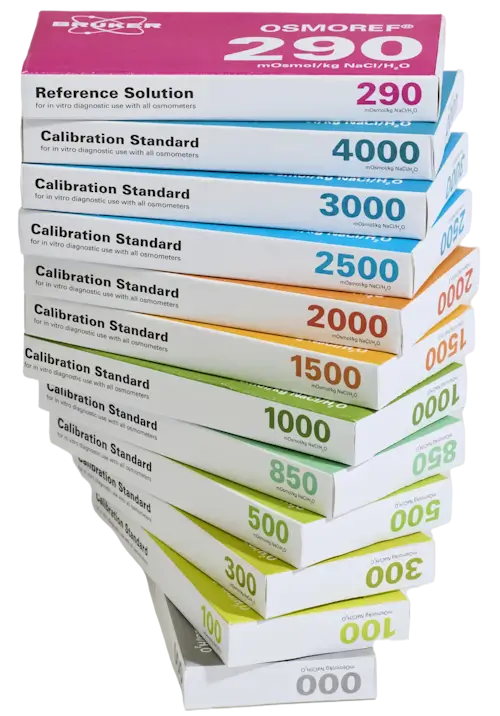
Calibration Standards
Currently in Development
Unmatched Precision & Long-Term Stability. Achieve peak performance across your entire testing spectrum with our comprehensive range of calibration standards. Supporting measurements up to 3000 mOsmol/kg, the OSMOMAT® GERDA utilizes a sophisticated 5-point calibration to ensure maximum accuracy even for complex samples.
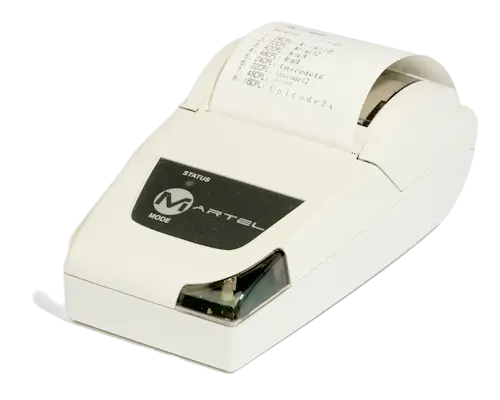
Reliable Documentation & Printing
Designed for seamless integration, the printer connects directly to the OSMOMAT® FreezePoint® Model Gerda via USB, requiring no complex setup. It delivers crisp, high contrast printouts of sample IDs, osmolality values, and calibration reports. With its compact footprint and pre-installed drivers, it is the perfect addition to any workstation where "paperless" isn't an option and physical validation is required for quality management.
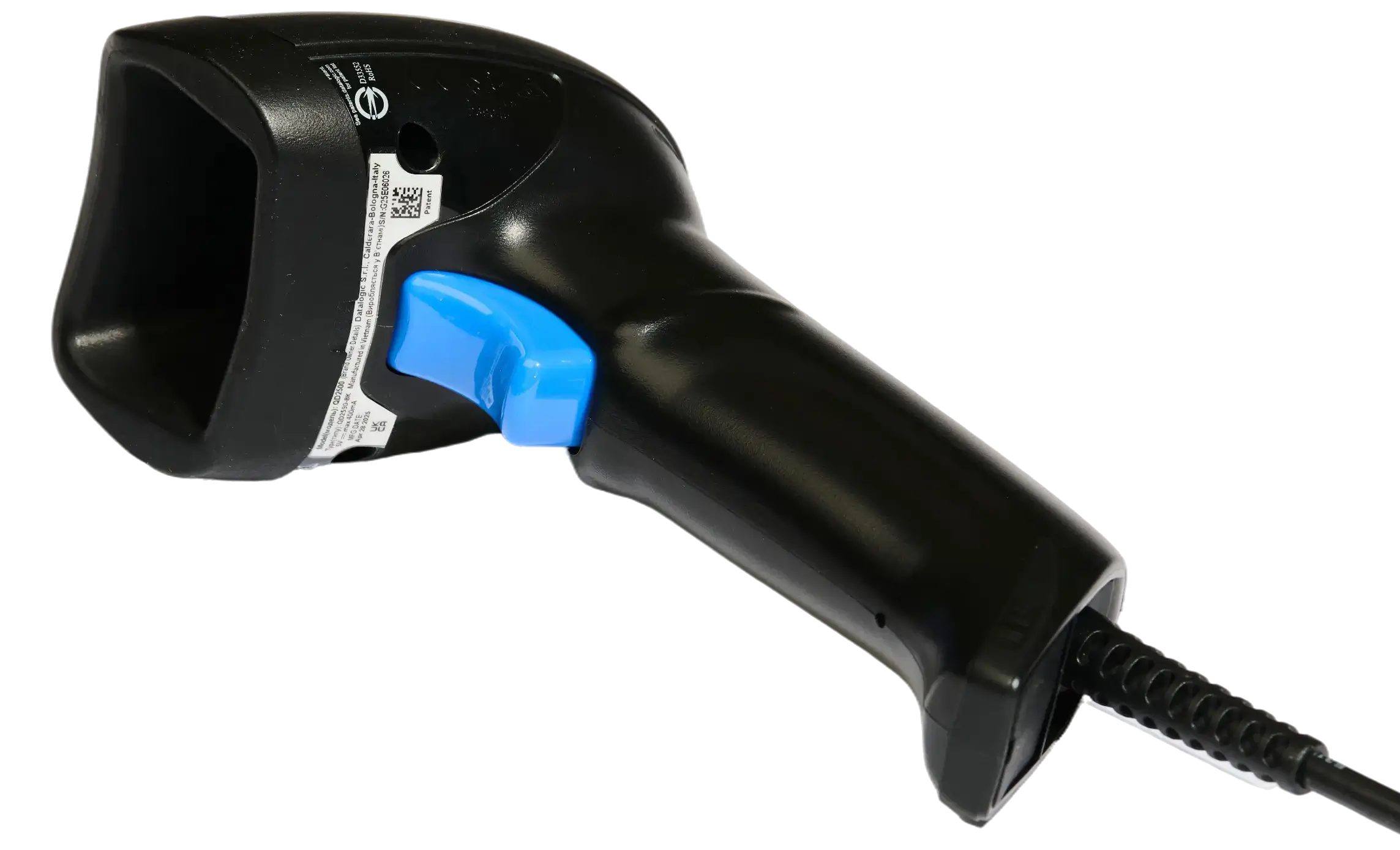
Efficiency at Your Fingertips
Minimize errors and maximize throughput with our integrated barcode scanner. From sample identification to secure user login, our configurable scanning solution automates your data entry for a smarter, safer workflow.
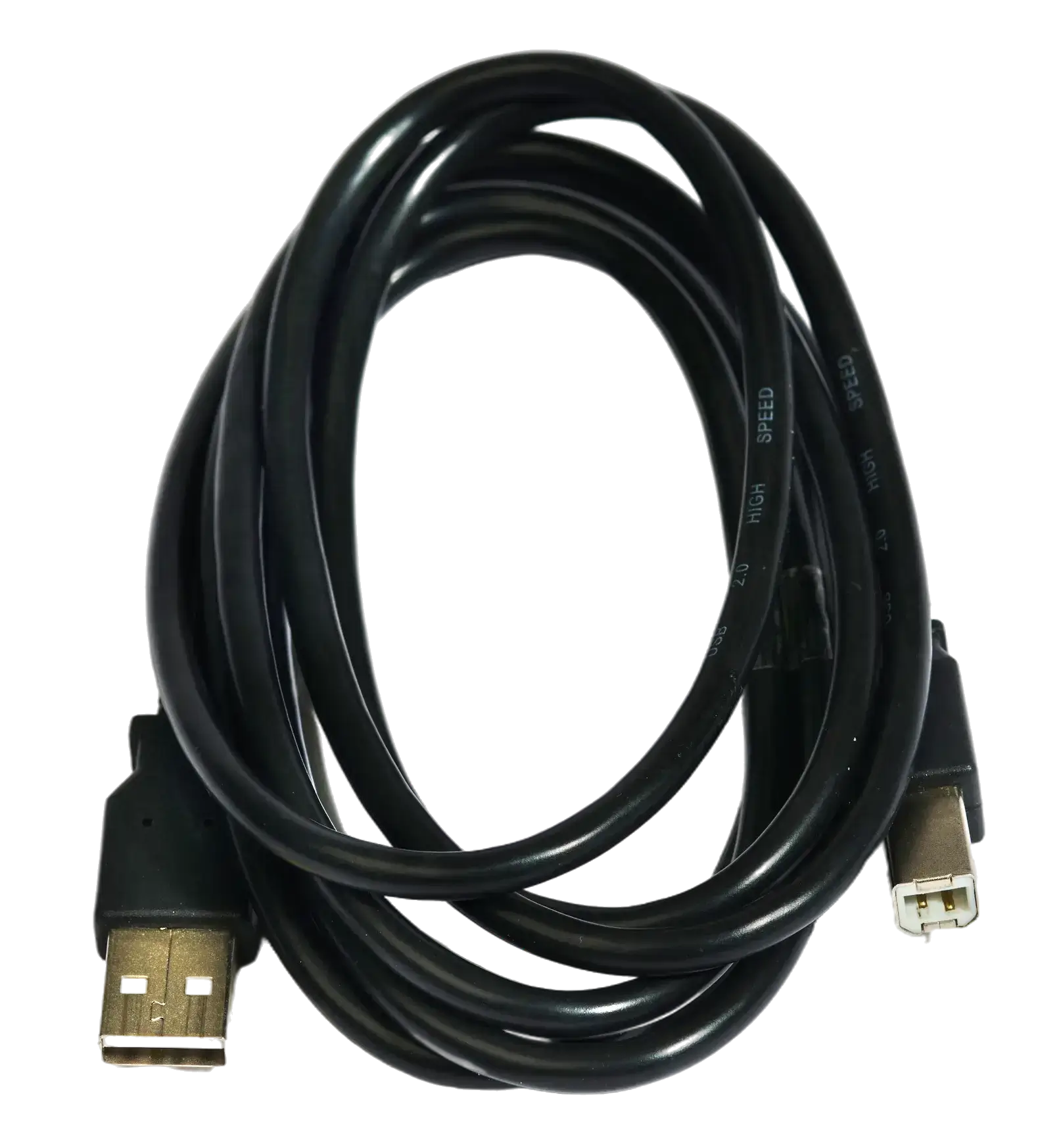
USB Cable to PC or Laptop
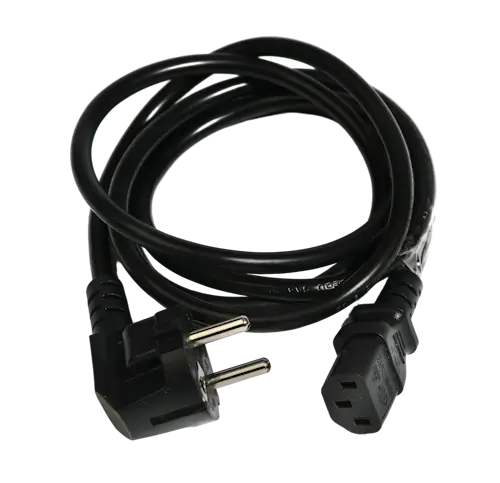
Power Cord
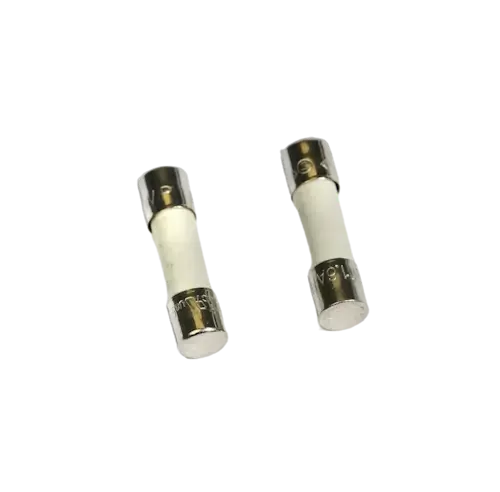
2 Spare Fuses
(T 1.6A)
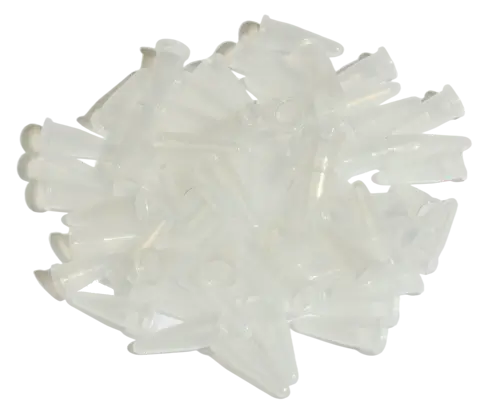
Measuring vessels
(100 pieces)
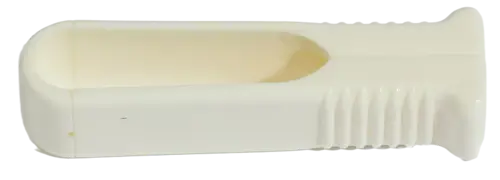
Ampoule opener
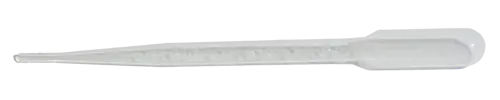
Bellow
(pasteur pipette)
Follow the Development of the OSMOMAT® FreezePoint® Series
GERDA. JUNO. LEON. ENKI. Four application-specific configurations built on one next-generation freezing point platform.
Sign up to receive product updates, preliminary technical information and availability announcements as development progresses.
Please Note: The OSMOMAT® FreezePoint® models GERDA, JUNO, LEON and ENKI presented on this website are currently under development and are not yet commercially available. The information provided is intended solely for informational and product-preview purposes. Planned features, specifications, performance characteristics, intended applications, accessories, regulatory status and availability may differ by model and country. All information remains subject to ongoing development, verification, validation and applicable regulatory review. Final commercially released products may differ from the information presented on this website.